How the New Tax Regime Affects Business Names and Ltd Companies in Nigeria
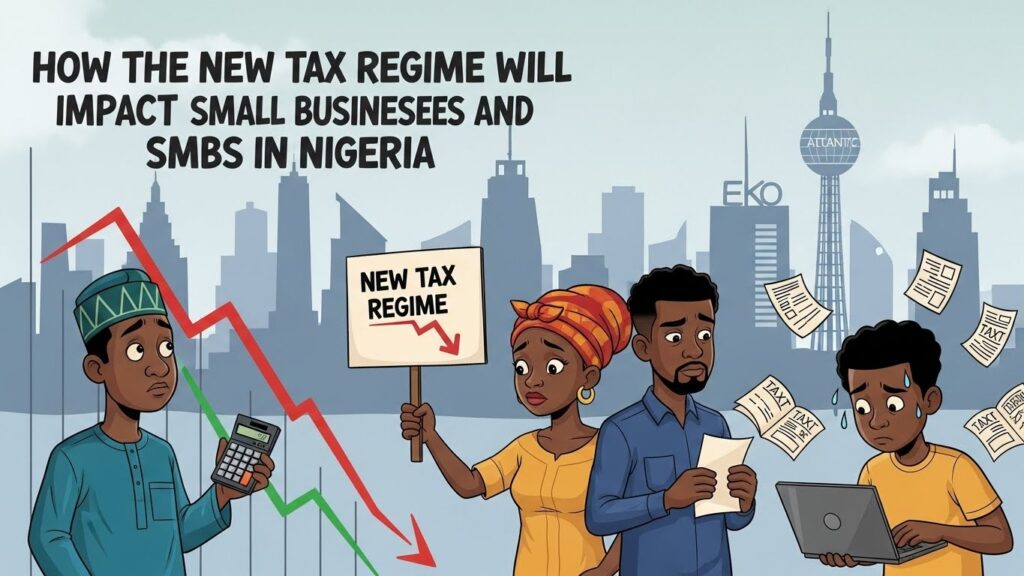
Not all businesses are treated the same under Nigeria’s new tax regime. One major difference is how Business Names and Limited Liability Companies (Ltd) will be taxed, monitored, and expected to comply.
Many SME owners don’t fully understand this difference—and under the new tax system, that lack of understanding can be costly.
________________________________________
Impact on Business Name Companies (Sole Proprietors & Partnerships)

A Business Name is the most common structure for Nigerian SMEs. This includes:
• Traders
• Small shops
• Freelancers
• POS operators
• Fashion designers
• Online vendors
• Small service providers
How Business Names are taxed
Business Names are taxed under Personal Income Tax (PIT). This means:
• Business income is treated as personal income
• The owner pays tax, not the business as a separate entity
• Income thresholds like the ₦800,000 tax-free limit apply here
What the new tax regime means for Business Names
1. Lower-income business owners will now be visible
o Once your bank transactions show regular inflow, tax authorities can assess you
o Even informal businesses may be asked to register and file returns
2. More small traders may now pay tax
o Many business owners earning above ₦66,666 monthly may now fall into the tax net
o This affects small food vendors, tailors, phone repairers, and online sellers
3. Poor records can lead to over-taxation
o If expenses are not clearly documented, tax may be charged on gross income, not real profit
Practical example (Business Name)
A small phone accessories seller in Aba:
• Monthly sales: ₦500,000
• Monthly expenses: ₦380,000
• Actual profit: ₦120,000
If expenses are not properly recorded:
• Tax may be calculated on ₦500,000 instead of ₦120,000
• This creates unfair tax pressure on a small business
Key takeaway: Business Names must now keep basic records or risk paying more tax than they should.
________________________________________
Impact on Limited Liability (Ltd) Companies
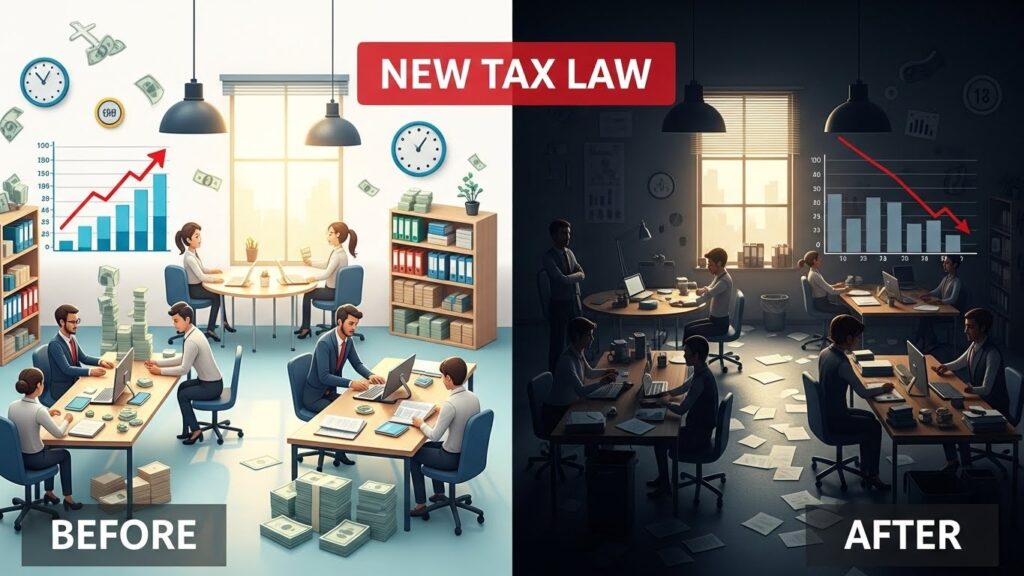
Limited Liability Companies are treated very differently.
This category includes:
• Registered SMEs
• Startups
• Growing companies
• Manufacturing firms
• Tech companies
• Logistics and service firms
How Ltd companies are taxed
Ltd companies pay Company Income Tax (CIT), not personal income tax.
Under current rules:
• Small companies (low turnover) may enjoy lower or zero CIT
• Medium and large companies pay higher rates
What the new tax regime means for Ltd companies
1. Stricter compliance and reporting
o Annual returns are no longer optional
o Financial statements matter more
o Digital tracking will increase scrutiny
2. Revenue size matters more than before
o Tax classification depends on turnover, not how “small” the company feels
o Some “small” Ltd companies may now be treated as medium enterprises
3. More professional accounting is required
o Poor bookkeeping increases audit risk
o Penalties for late filing may increase
Practical example (Ltd Company)
A small logistics company in Lagos registered as Ltd:
• Annual turnover: ₦35 million
• Annual expenses: ₦28 million
• Net profit: ₦7 million
Under the new regime:
• The company must file proper CIT returns
• Failure to show expenses clearly could increase taxable profit
• Bank transactions may be reviewed for consistency
Key takeaway: Ltd companies face higher compliance expectations, even if they are still struggling SMEs.
________________________________________
Business Name vs Ltd: Which Is More Affected?
|
Area |
Business Name |
Ltd Company |
|
Type of tax |
Personal Income Tax |
Company Income Tax |
|
Threshold impact |
Very high |
Moderate |
|
Compliance pressure |
Increasing fast |
Already high |
|
Record keeping |
Now compulsory |
Mandatory |
|
Digital tracking |
New exposure |
Stronger exposure |
|
Risk of over-taxation |
High |
Medium |
________________________________________
Should SMEs Convert from Business Name to Ltd?
Many SME owners are asking this question.
Pros of converting to Ltd:
• Clear separation between owner and business
• Better access to loans and investors
• More structured tax treatment
Cons:
• Higher compliance costs
• More reporting requirements
• Professional accounting becomes necessary
There is no one-size-fits-all answer.
For very small businesses, Business Name may still work—but for growing SMEs, Ltd structure may offer better long-term protection.
________________________________________
What This Means for Nigerian SMEs Overall
Whether registered as:
• Business Name
• Limited Liability Company
The new tax regime means:
• More visibility
• Less room for ignorance
• Higher importance of records
• Greater enforcement
The era of “my business is too small to be noticed” is ending.
________________________________________
Additional FAQs: Business Names & Ltd Companies Under the New Tax Regime
1. Will Business Names pay more tax than Ltd companies?
Not necessarily, but Business Names are more exposed to low thresholds and personal income tax rules.
2. Can a Business Name be exempt from tax?
Some may qualify, but many earning above survival level may still be taxed.
3. Are Ltd companies safer under the new regime?
They are more structured, but face stricter compliance and monitoring.
4. Can poor bookkeeping affect both?
Yes. Poor records can increase tax liability for both Business Names and Ltd companies.
5. Is converting to Ltd mandatory?
No, but growing businesses should consider it carefully.
________________________________________
Final Note for SME Owners
The new Nigerian tax regime is not just about paying tax—it is about structure, visibility, and compliance.
For Business Names and Ltd companies alike:
• Understanding your business structure is now critical
• Keeping records is no longer optional
• Planning ahead can save you money and stress
If taxation must grow in Nigeria, SMEs must not be crushed in the process.