Should Small Businesses Convert from Business Name to Ltd in Nigeria Because of the New Tax Reform?
Pros, Cons, and What It Really Means for Nigerian SMEs
With Nigeria’s new tax reform set to take full effect from 2026, many small business owners are asking an important question:
Should I convert my Business Name to a Limited Liability (Ltd) company to avoid tax problems?
This question is coming up everywhere—from POS operators and online vendors to consultants, startups, and growing SMEs in Lagos, Abuja, Port Harcourt, Aba, Onitsha, Ibadan, and across Nigeria.
The short answer is: it depends.
The long answer—which this article explains in simple Nigerian language—is that the new tax reform changes the risk, visibility, and responsibility of both Business Names and Ltd companies. Converting is not automatically good or bad, but it has real consequences you must understand before making the move.
________________________________________
Understanding the Difference: Business Name vs Ltd in Nigeria
Before deciding whether to convert, it’s important to understand how both structures work under Nigerian tax laws.
What is a Business Name?
A Business Name is usually:
• Owned by one person (sole proprietor) or partners
• Common among traders, freelancers, SMEs, and informal businesses
• Taxed under Personal Income Tax (PIT)
Your business income is treated as your personal income.
________________________________________
What is a Limited Liability (Ltd) Company?
A Ltd company:
• Is a separate legal entity
• Can have one or more directors/shareholders
• Is taxed under Company Income Tax (CIT)
• Has stricter reporting and compliance requirements
The company is treated as a separate person from the owner.
________________________________________
Why the New Tax Reform Is Forcing This Conversation

The new Nigerian tax regime focuses on:
• Widening the tax net
• Digital monitoring of income
• Better data sharing between banks and tax authorities
• Reduced tax evasion
This means:
• More businesses will be visible
• “My business is too small” is no longer a safe assumption
• Business structure now matters more than before
________________________________________
How the New Tax Reform Affects Business Names
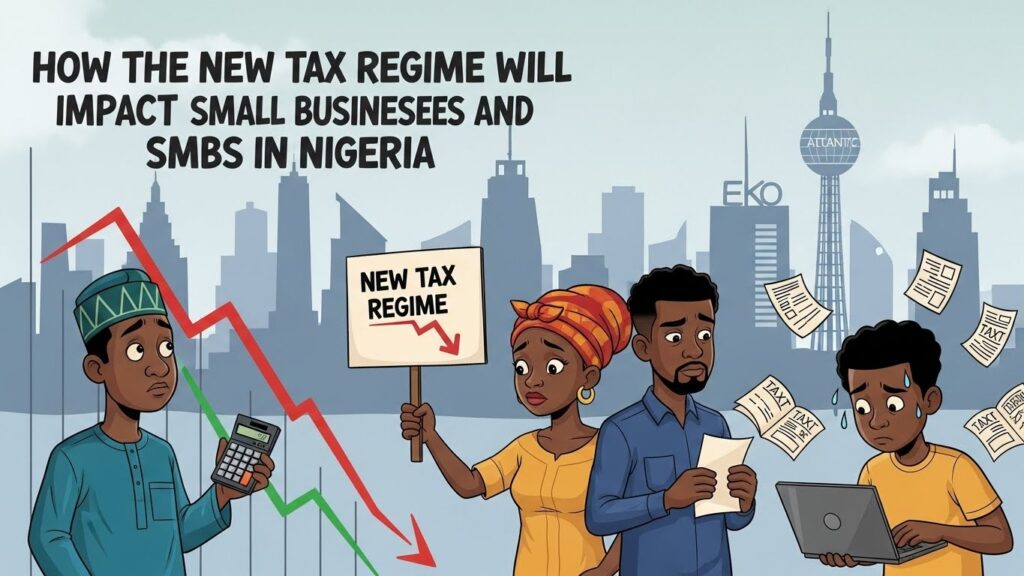
Business Names are most exposed under the new system.
1. Low Tax-Free Threshold Hits Business Names Hard
Under the new rules:
• ₦800,000 annual income (about ₦66,666 monthly) may be tax-free
• Anything above that may attract personal income tax
In today’s Nigeria, ₦66,666 monthly is survival money, not profit.
Example:
A freelance graphic designer in Lagos:
• Monthly income: ₦200,000
• Annual income: ₦2.4 million
Under Personal Income Tax:
• The income is treated as personal earnings
• Tax applies even though business expenses are high
Business Names feel the pressure earlier than Ltd companies.
________________________________________
2. Personal and Business Money Are Treated as One
With Business Names:
• One bank account is often used
• Personal spending mixes with business income
Under stricter tax monitoring:
• Tax authorities may assume all inflows are taxable
• Poor records can lead to over-taxation
________________________________________
3. Higher Risk of Over-Taxation
If expenses are not documented:
• Tax may be calculated on gross income, not profit
This is dangerous for small businesses with thin margins.
________________________________________
How the New Tax Reform Affects Ltd Companies
Ltd companies are already used to compliance, but the reform increases expectations.
1. Higher Compliance, But Clearer Structure
Ltd companies must:
• File annual returns
• Prepare basic financial statements
• Separate owner income from company income
This structure helps reduce confusion during tax assessments.
________________________________________
2. Tax Is Based on Company Performance, Not Personal Lifestyle
If a company earns less:
• Tax reflects that
• Owner’s personal spending is separate
This can be an advantage for growing SMEs.
________________________________________
3. Greater Visibility, But More Protection
Ltd companies are more visible digitally, but:
• Liability is limited
• Personal assets are better protected
________________________________________
Practical Example: Business Name vs Ltd Under the New Tax Regime
Scenario A: Business Name
A small consulting business in Abuja:
• Annual revenue: ₦6 million
• Annual expenses: ₦4.5 million
• Profit: ₦1.5 million
Because it’s a Business Name:
• Income is treated as personal earnings
• Tax applies directly to the owner
• Poor records could inflate tax
________________________________________
Scenario B: Same Business as Ltd
If converted to Ltd:
• Company income is taxed separately
• Expenses are clearer
• Owner pays tax on salary/dividends, not total revenue
Structure changes how tax is calculated and defended.
________________________________________
Pros of Converting from Business Name to Ltd
1. Better Tax Structure
• Clear separation of business and personal income
• Easier to explain expenses to tax authorities
2. Lower Risk of Over-Taxation
• Proper records reduce guesswork
• Less chance of being taxed on gross income
3. Improved Business Credibility
• Banks, investors, and corporate clients prefer Ltd companies
• Better access to loans and partnerships
4. Legal and Financial Protection
• Personal assets are protected if the business runs into trouble
________________________________________
Cons of Converting from Business Name to Ltd
1. Higher Compliance Costs
• Annual filings
• Accounting services
• Possible audit costs
2. More Government Attention
• Ltd companies are more visible
• Late filings attract penalties
3. Not Ideal for Very Small Businesses
If your business:
• Earns very little
• Has unstable income
• Is still experimental
Converting too early may create unnecessary pressure.
________________________________________
Other Things the Conversion Means for Nigerian SMEs
1. Growth Becomes a Responsibility
Once you convert to Ltd:
• Growth comes with reporting obligations
• Informality is no longer an option
2. Some SMEs May Delay Growth
Some business owners may:
• Avoid expansion
• Stay small to reduce tax exposure
This can hurt long-term business potential.
________________________________________
So, Should You Convert Because of the New Tax Reform?

Convert to Ltd if:
• Your annual revenue is growing consistently
• You work with corporate or foreign clients
• You want access to funding
• You can afford basic accounting support
Stay as Business Name if:
• Your business is still very small
• Income is irregular
• Compliance costs will overwhelm you
The new tax reform does not force conversion—but it makes structure more important than ever.
________________________________________
FAQs: Business Name vs Ltd Under Nigeria’s New Tax Reform
1. Is it mandatory to convert to Ltd because of the new tax reform?
No. Conversion is optional, but structure affects how tax is assessed.
2. Will Business Names pay more tax than Ltd companies?
Not always, but Business Names are more affected by low income thresholds.
3. Does converting to Ltd reduce tax automatically?
No. It improves structure and clarity, not automatic tax reduction.
4. Are Ltd companies safer under the new tax system?
They have clearer separation and legal protection, but stricter compliance.
5. Can a small business survive as a Business Name under the new regime?
Yes, but record-keeping and tax awareness are now critical.
6. What is the biggest mistake SMEs can make now?
Ignoring structure and assuming tax authorities won’t notice them.
________________________________________
Final Thoughts
Nigeria’s new tax reform is changing how small businesses are seen, tracked, and taxed.
The question is no longer:
“Is my business too small for tax?”
The real question is:
“Is my business properly structured for the future?”
For some SMEs, converting from Business Name to Ltd is a smart move.
For others, it may be too early.
What matters most is understanding the rules, keeping records, and planning ahead—because under the new tax regime, ignorance is no longer protection.