5 Big Changes in Nigeria’s New Tax Laws (and What They Mean for Your Wallet)
Nigeria’s new tax laws, expected to fully take effect from 2026, have generated a lot of noise, confusion, fear, and misinformation. Government officials say the reforms will make taxation fairer, expand exemptions, and improve revenue collection through digital systems. Many Nigerians, however, are asking one simple question:
How will this new tax law affect my money—my salary, my business, and my daily survival?
This article breaks down five major changes in Nigeria’s new tax laws and explains what each one really means for your wallet, using simple language, Nigerian examples, and real-life scenarios.
________________________________________
1. Expansion of the Tax Net: More Nigerians Will Pay Tax
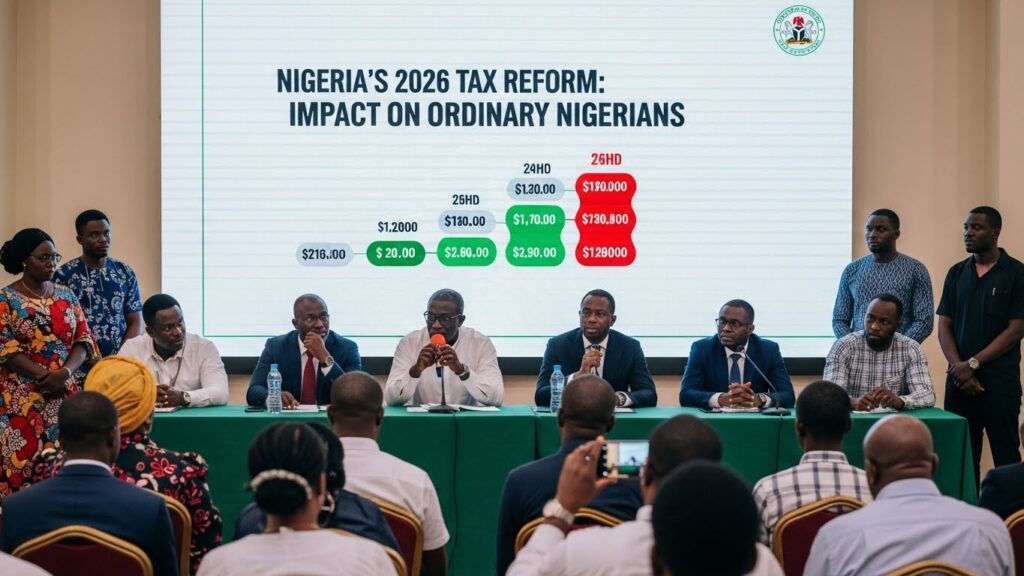
One of the biggest changes in Nigeria’s new tax laws is the expansion of the tax net. This means the government wants more people and businesses to be registered, tracked, and taxed.
What this means in simple terms
If you:
• Earn income regularly
• Run a small business
• Sell online
• Receive bank transfers often
• Freelance or do side hustles
You are now more visible to tax authorities than ever before.
Wallet impact
Many people who were previously “off the radar” may now:
• Be asked to register for tax
• Be required to file returns
• Start paying small but consistent taxes
Example:
A POS operator in Ilorin:
• Daily earnings (gross): ₦15,000
• Monthly earnings: ~₦450,000
• Net profit after costs: ~₦120,000
Before, tax was rarely discussed.
Under the new system, such income may now be noticed and assessed.
Meaning for your wallet: Even low-income earners may now feel tax pressure earlier than before.
2. New Exemptions Sound Good, But Thresholds Are Still Low
The government has highlighted exemptions and reliefs as a key benefit of the new tax laws. The most talked-about one is the ₦800,000 annual tax-free income threshold.
The reality check
₦800,000 per year equals:
• ₦66,666 per month
• About ₦2,200 per day
In today’s Nigeria:
• Transport can consume ₦1,500 daily
• One decent meal can cost ₦2,000
• Rent, electricity, data, and food prices keep rising
Wallet impact
Anyone earning above survival level may now fall into the tax net—even if they are not “comfortable.”
Example:
A junior office assistant in Lagos:
• Monthly salary: ₦120,000
• Annual income: ₦1.44 million
Despite struggling with rent and transport, this worker may now be taxable.
Meaning for your wallet: The exemption exists, but it is too small to protect many struggling Nigerians.
________________________________________
3. Digital Tax Administration: Everything Is Easier to Track
Another major reform is digital tax administration. This is one of the most powerful—and least understood—changes.
What is changing?
• More use of TIN (Tax Identification Number)
• Better data sharing between banks and tax authorities
• Digital filing of tax returns
• E-invoicing and transaction tracking
What this means for ordinary Nigerians
If your money passes through:
• A bank account
• POS
• Mobile transfer
• Online payment platforms
It can now be easily traced and analysed.
Wallet impact
• Less room for hiding income
• Poor record-keeping can increase tax
• Cash-only businesses are under pressure
Example:
An Instagram vendor in Aba:
• Receives ₦3 million in transfers yearly
• Actual profit after costs: ₦900,000
Without expense records:
• Tax may be calculated on ₦3 million, not ₦900,000
Meaning for your wallet: Digital tracking can increase tax bills if you don’t keep records.
________________________________________
4. Stronger Focus on Small Businesses and SMEs
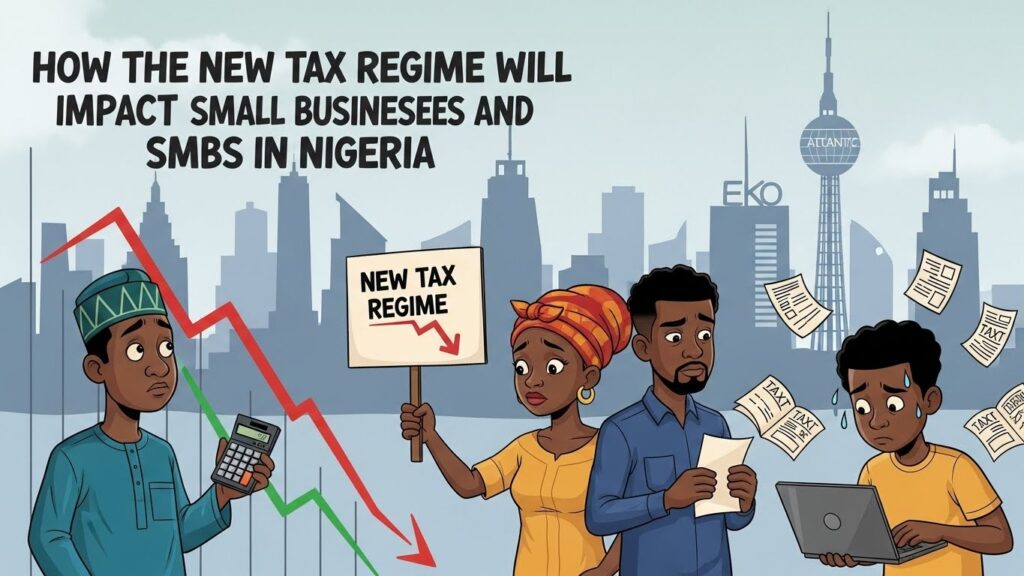
Small businesses and SMEs are a major target of the new tax laws—not because government wants to destroy them, but because they form the largest untaxed segment of the economy.
What is changing for SMEs
• Increased registration requirements
• More compliance checks
• Less tolerance for ignorance
• Some exemptions, but strict conditions
Wallet impact for SMEs
• Higher compliance costs (accountants, filings)
• Risk of penalties for late or incorrect filing
• Cash flow pressure for small businesses
Example:
A small printing business in Abuja:
• Monthly revenue: ₦1.2 million
• Monthly expenses: ₦900,000
• Profit: ₦300,000
With stricter enforcement:
• Late filing penalties may apply
• Poor records may inflate tax
• Compliance becomes a monthly expense
Meaning for your wallet: Running a small business now requires planning for tax as a regular cost, not an afterthought.
________________________________________
5. Shift from “Punishment” to “Data-Driven” Tax Collection

Previously, tax enforcement in Nigeria often felt chaotic—task forces, multiple levies, and sudden demands. The new tax laws aim to move towards data-driven taxation.
What this means
• Fewer random collections (in theory)
• More reliance on data and records
• Assessments based on income patterns
The good side
• Less harassment if you comply
• More predictable tax obligations
• Better planning for businesses
The bad side
• Mistakes in data can cost you money
• No records = higher assumed income
Wallet impact
People who:
• Keep records
• Understand their tax position
May actually pay less than before.
Those who:
• Ignore compliance
• Mix personal and business funds
May pay more than they should.
________________________________________
What These Changes Mean Overall for Your Wallet
In simple terms, Nigeria’s new tax laws mean:
• More Nigerians will be taxed
• Exemptions are still too low
• Digital systems reduce chaos
• Poor Nigerians may feel the pressure
• Cost of living is not fully considered
• Compliance is becoming unavoidable
________________________________________
What You Should Do Now as an Individual or SME
1. Know where your income falls
2. Separate business and personal money
3. Keep simple records of income and expenses
4. Don’t rely on rumours—get basic tax knowledge
5. Plan tax as part of your monthly expenses
________________________________________
FAQs: Nigeria’s New Tax Laws Explained
1. Will everyone now pay tax in Nigeria?
Not everyone, but more people will be included than before.
2. Is ₦800,000 really tax-free?
Yes, but it is very low compared to Nigeria’s cost of living.
3. Are online businesses affected?
Yes. Digital payments make tracking easier.
4. Can poor record-keeping increase my tax?
Yes. Without proof of expenses, tax may be charged on gross income.
5. Is the new tax law good or bad?
It improves structure, but may increase hardship if thresholds are not reviewed.
6. What is the biggest risk for ordinary Nigerians?
Ignorance and lack of preparation.
________________________________________
Final Thoughts
Nigeria’s new tax laws are changing how money is seen, tracked, and taxed.
For government, it means more revenue.
For ordinary Nigerians, it means less room for mistakes.
Whether you are a worker, trader, freelancer, or small business owner, one thing is clear:
The new tax system will touch your wallet—either by force or by planning.
Those who understand it early will suffer less. Those who ignore it may pay more than they should.